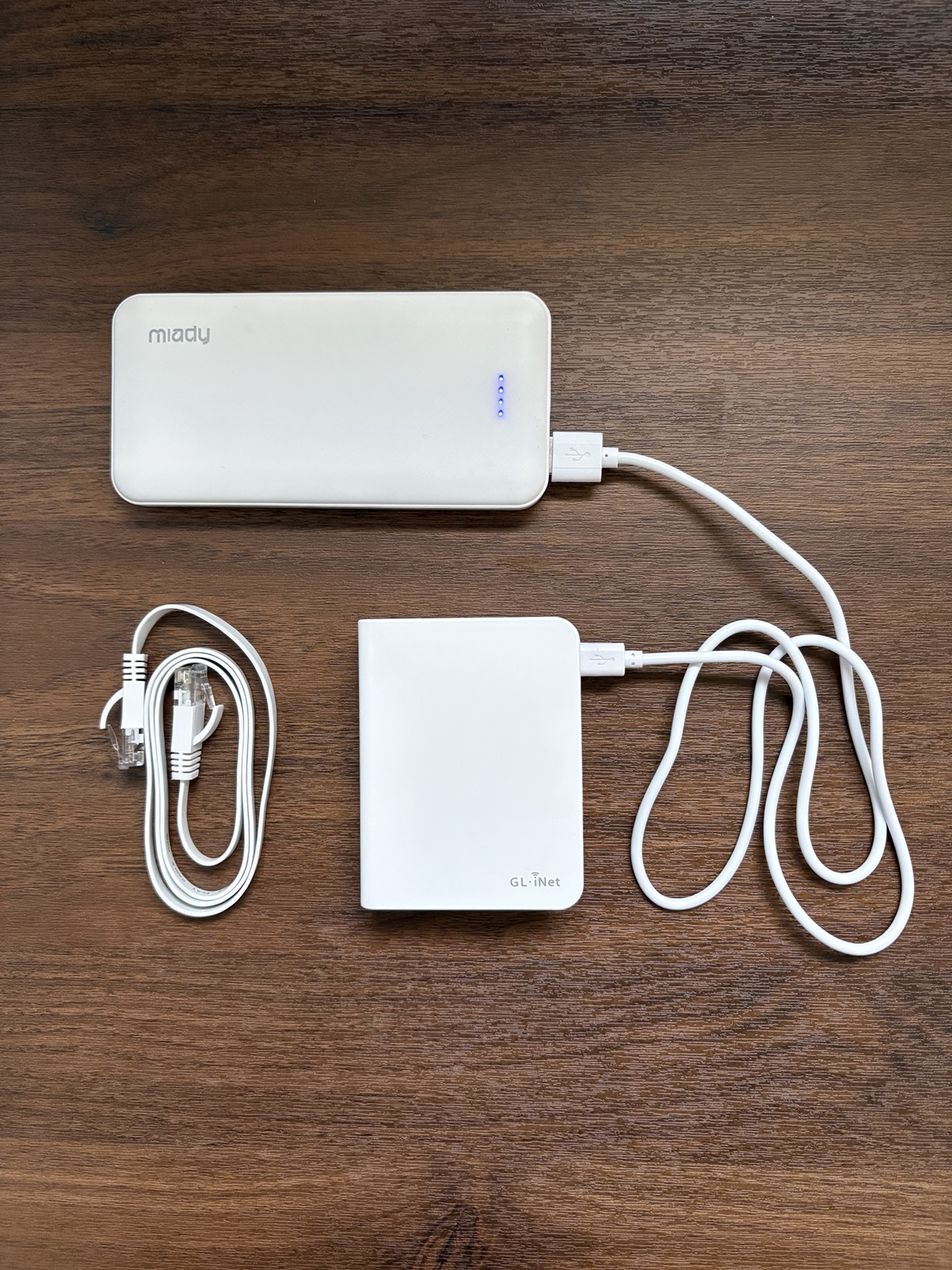
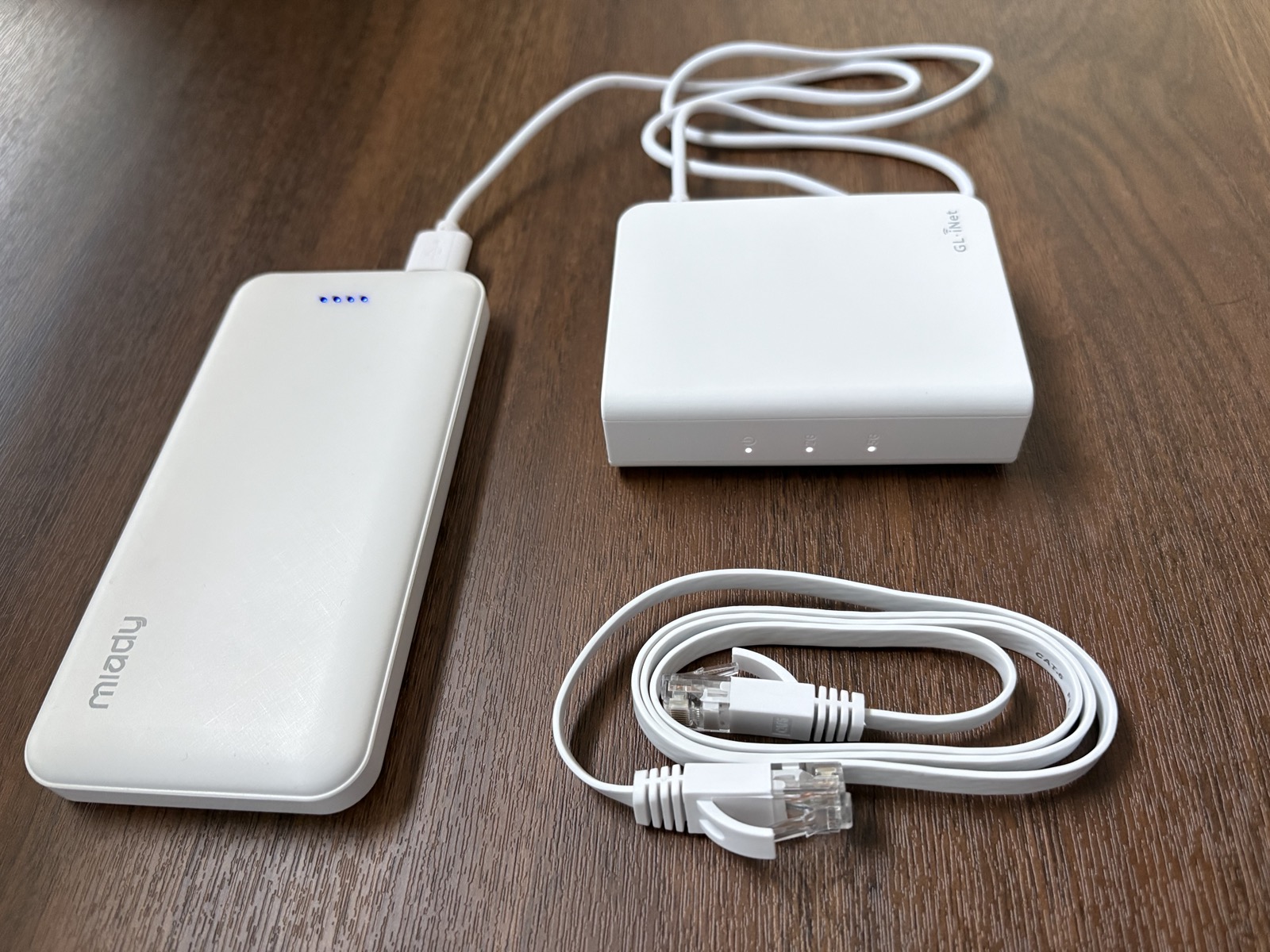
A WiFi Pineapple is a dedicated wireless auditing platform — rogue APs, deauth attacks, client tracking. The official hardware is expensive, so I flashed a GL.iNet GL-AR750 travel router using the open-source wifi-pineapple-cloner project. Same functionality, way cheaper.
Dual-band travel router running OpenWrt. Compact, portable, and fully supported by the wifi-pineapple-cloner project.
Open-source project by xchwarze that automates flashing GL.iNet hardware with WiFi Pineapple-compatible firmware.
Custom OpenWrt-based build with Pineapple modules installed. Configured via the standard Pineapple web interface on the device.
Rogue AP creation, deauthentication, client tracking, and PineAP suite for wireless reconnaissance and auditing.
Once you control the AP a device connects to, you control the connection.
Broadcast a fake AP with the same SSID as a legitimate network. Clients automatically connect — their traffic flows through you before hitting the internet.
Once a client is connected to your rogue AP, intercept all unencrypted traffic. Capture credentials, session tokens, and anything sent over HTTP.
Kick devices off a legitimate network by sending deauth frames. Force them to reconnect — to your AP. No encryption, no password needed to do this.
Deauth a client, capture the 4-way handshake when it reconnects, and crack it offline with a wordlist. Works against weak passwords.
PineAP passively logs probe requests from nearby devices — SSIDs their devices are looking for, MAC addresses, signal strength. Full picture of wireless activity in range.
Redirect DNS queries from connected clients to malicious pages — credential phishing, fake captive portals, or straight redirects to attacker-controlled infrastructure.
I didn’t realize how easy it is to flash Pineapple-compatible firmware onto certain travel routers instead of buying actual Hak5 hardware. The GL-AR750 cost me a fraction of the price and does the same thing. What got me was how accessible this all is — the hardware is cheap, the software is open source, and the attacks work anywhere there’s WiFi. Makes you wonder how many of these are already deployed in airports, coffee shops, and hotels.